This round has one story that's more serious than most of what we've covered in this series, plus a cluster of smaller ones worth knowing about — including a company that's refusing to comply with a state health order. Let's start with the one that matters most.
NewHepatitis A Outbreak — Frozen Clams, 30 of 37 Hospitalized
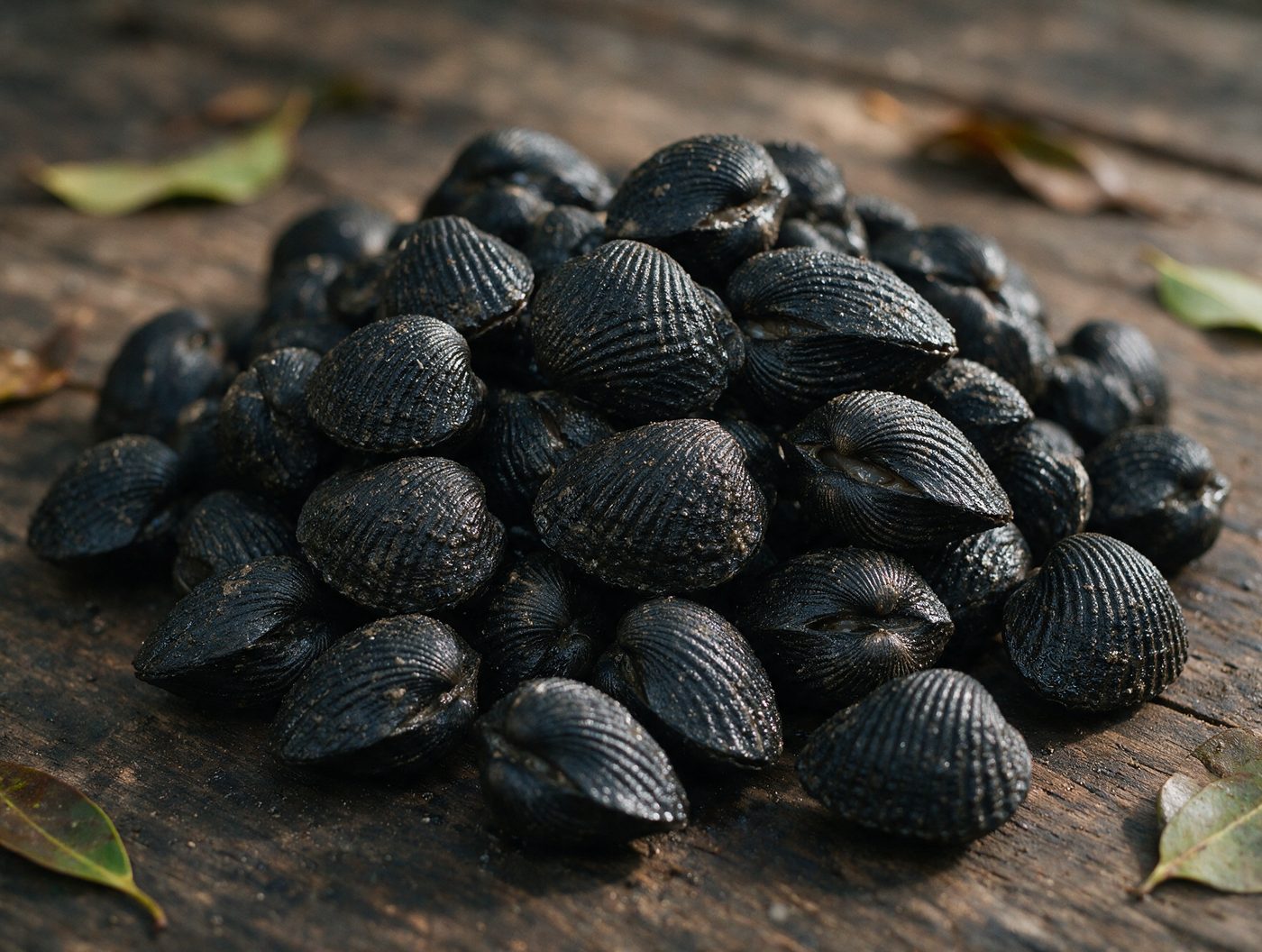
FDA and CDC are investigating a Hepatitis A outbreak tied to La Serranita-brand concha negra — black clams, a dark-shelled mangrove clam commonly used in Ecuadorian and Peruvian ceviche, imported and sold frozen. 37 people have gotten sick across Massachusetts, Minnesota, New York, and Pennsylvania, and 30 of them — about 81% of those with information available — have been hospitalized. No deaths have been reported. Illness onset dates stretch all the way from July 2025 to June 2026, which tells you this outbreak was quietly going on for close to a year before it got pinned down; investigators only opened the case in May 2026.
On the timing, to be precise: this isn't a fresh recall we're late catching — FDA first issued its safety alert on this product on April 30, 2026, then updated it on May 22, 2026 to note that dealers in New York and New Jersey had pulled the product. CDC opened its multistate outbreak page on June 5, 2026 and last updated the case count on September 3, 2026 — so what's "new" in this roundup is the case count climbing to 37 illnesses and 30 hospitalizations, not the underlying alert itself, which has been public for months.
Among the people interviewed, 77% had eaten ceviche and 47% had eaten the black clams raw or undercooked — both far higher than you'd expect if this were unrelated to their illness, which is what pointed investigators at this product. If you have La Serranita concha negra (black clams) in your freezer, throw it out or return it — don't eat it raw or undercooked. And if you've eaten it raw or undercooked within the last 14 days and you're not vaccinated against Hepatitis A, CDC recommends contacting your doctor or local health department about postexposure treatment — it's genuinely time-sensitive, which is part of why I wanted this one covered right away rather than folded into a bigger roundup.
A note on that year-long gap between the earliest illnesses (July 2025) and this outbreak getting opened (May 2026): that's normal, not a sign anyone sat on bad news. CDC's own published timeline puts the baseline lag between someone getting sick and an outbreak being officially identified at around 23 days — symptoms have to appear, someone has to see a doctor and get tested, the sample has to reach a public health lab, and it has to go through genetic sequencing before it's matched against other cases nationally. Hepatitis A's incubation period alone can run several weeks, and traceback (figuring out which specific supplier is responsible) adds more time on top of that. It's also why case counts in outbreaks like this one keep climbing even after a product's already off shelves — see the source note below.
NewTwo Egg Recalls, Two States — One Farm Initially Refused
Leaping Bear Farm in Windsor County, Vermont recalled eggs from cartons dated June 1 through September 5 after Salmonella was found in both patient samples and environmental samples from the farm's roughly 1,800-hen flock — 14 illnesses linked so far, sold through Vermont farmers markets and local retailers. If you bought eggs there in that window, the state's guidance is to throw them out in the trash (not compost, since that can spread the bacteria) and sanitize anything the eggs touched with hot, soapy water.
Separately in California, Happy Hens of Ramona (San Diego County) recalled all grades and sizes of its in-shell organic eggs after 23 confirmed illnesses and 7 hospitalizations, sold through restaurants, grocery stores, farmers markets, and directly at the farm across Southern California and the Central Coast. Worth knowing: county health investigators identified the eggs as the source and FDA found Salmonella Enteritidis in the farm's poultry housing that genetically matched the strain making people sick — but Happy Hens initially refused to recall, and only did so on September 8 after that evidence came back. If you bought eggs there, check for date/lot codes 223, 226, or 237 (sell-by September 10, 13, or 24).
NewWhole Foods Cheese — Undeclared Egg, Allergy Alert Only
Whole Foods Market issued an allergy alert (not a contamination recall) on its Fromagerie Coop de Mean Cabricharme cheese — both the Raw Milk Aged 60 Days and Belgian Cabricharme varieties — after discovering the cheese contains egg lysozyme, an egg white protein, that wasn't declared on the label. This matters specifically for anyone with an egg allergy; it's not a food-safety issue for everyone else. Sold in Arizona, California, Connecticut, Massachusetts, New Jersey, New York, and Rhode Island, best-by dates through October 7, 2026 for the Raw Milk variety. No illnesses reported. If you have an egg allergy and bought this cheese, don't eat it — Whole Foods is offering refunds with a receipt.
NewHot Sauce Maker Ordered to Stop Selling — Still Selling
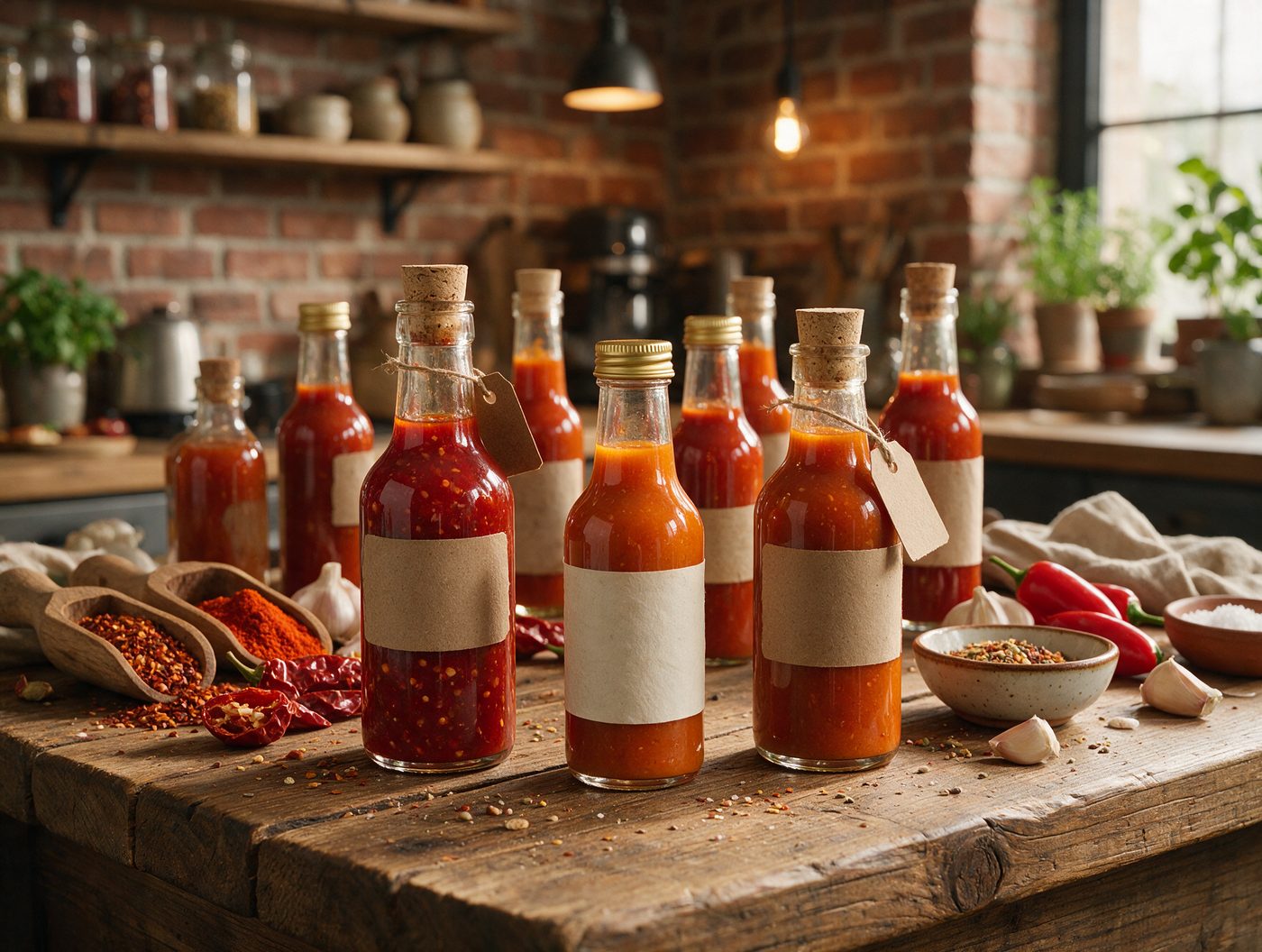
This one's less about the food itself and more about the response to it. Connecticut's Department of Consumer Protection issued a cease-and-desist order against Phire in the Hole, a Monroe, CT hot sauce maker, after finding its sauces (P.I.T.H BBQ, VK Vamps Kryptonite, Lemon Pucker Punch, The Hawaiian Ghost, Boo Bee Q, Reaper Creeper, and a "Box of Phire" multi-pack) were made without an approved process or the license required for acidified/low-acid canned foods — exactly the kind of gap that lets botulism toxin form without any obvious sign in the product. The company has refused to comply and hasn't responded to the state's order, so the products may still be out there, mainly through Beardsley's Cider Mill & Orchard in Shelton, CT (distributed November 2025 through August 17, 2026). No illnesses reported yet, but botulism is serious — it can paralyze the muscles you breathe with. If you have any of these bottles, the state's advice stands regardless of what the company says: don't eat it.
Quick translation of "acidified-food process," since it's doing a lot of work in that last paragraph: hot sauce starts as a low-acid food (peppers, garlic) that only becomes shelf-stable once added vinegar brings it to a pH of 4.6 or below — that's the acidity level Clostridium botulinum, the bacteria behind botulism, can't grow in. Before selling a product like this, federal rules require a validated recipe and process that reliably hits that pH every batch, filed with FDA. There's no way to taste, smell, or see whether a jar actually got there — which is exactly why "no approved process" is treated as a real safety gap, not paperwork.
UpdatedHolding Steady
No meaningful change on the three outbreaks we've been tracking since earlier parts: the jalapeño Salmonella outbreak is still at 431 illnesses/32 states with no federal update since August 21; the frozen berry E. coli recall (Great Value + GreenWise) hasn't grown past 17 illnesses; and the broccoli sprouts recall (covered in its own post) has no new developments. The two outbreaks FDA still can't name a food source for — the second Cyclospora cluster and the Salmonella Newport outbreak — also haven't had a source identified as of this check; I'll keep watching both and give them their own write-up the moment FDA names an actual product.
↳ That's everything as of today — continue to Part 6, or check the blog for whatever comes next.